Renters and landlords represent a major opportunity for energy efficiency programs. However, too often they are the least likely to participate, leaving households with higher bills and utilities with untapped savings potential.
CenterPoint Energy partnered with ILLUME to better understand these gaps and design strategies that make efficiency programs more accessible, more engaging, and more equitable. The goal: expand participation among underserved customers, reduce costs for households that need it most, and deliver benefits that extend to property owners, tenants, and the environment alike.
The Challenge
For many renters, high energy bills are unavoidable, yet they have little control over the efficiency of their homes. Meanwhile, landlords—who make the decisions about energy upgrades—often lack awareness of available programs or hesitate to invest when tenants reap the savings. Recognizing this challenge, CenterPoint Energy sought to better serve renters and landlords through its energy efficiency programs.
To bridge this gap, CenterPoint worked with ILLUME Advising, leveraging their expertise in research-driven strategies to uncover barriers, improve outreach, and develop targeted solutions. This research aimed to boost program participation, increase energy savings, and expand access to energy efficiency opportunities for underserved communities.
The Approach
To understand how to better serve renters and landlords through energy efficiency programs, the research focused on three primary questions:
1
What barriers prevent renters and landlords from participating in energy efficiency programs?
2
How would landlords and renters like to receive information about efficiency opportunities?
3
What strategies can improve engagement and increase participation in these programs?
To answer these questions, the team used a three-pronged research approach:

Literature
Review
Examined existing research on renter-focused energy efficiency programs, identifying best practices and common barriers to participation.

Landlord
Focus Groups
Conducted discussions with landlords across different property sizes to explore their awareness, motivations, and challenges in implementing energy efficiency measures.

RENTER
Survey
Gathered insights from renters on their communication preferences, engagement with landlords, and awareness and willingness to participate in energy efficiency programs.
The Results
Through its engagement with ILLUME Advising, CenterPoint Energy gained a deeper understanding of the unique barriers preventing renters and landlords from engaging in energy efficiency programs. The research uncovered critical insights and led to actionable recommendations that are now shaping CenterPoint’s approach to increasing participation among these underserved groups.
Key Findings & Recommendations
Low Awareness and Program Confusion
Finding: Many landlords and renters were unaware of CenterPoint’s energy efficiency programs, and those who had heard of them often found eligibility requirements unclear. Landlords also frequently confused CenterPoint’s offerings with those from other utilities, adding to their frustration.
Recommendations:
- Create a dedicated “Landlords & Property Managers” webpage with simple, easy-to-navigate resources.
- Optimize the CenterPoint website and conduct an SEO audit to improve visibility so landlords can easily find relevant programs.
The Split Incentive Problem
Finding: Landlords were hesitant to invest in energy efficiency upgrades when the financial savings primarily benefited tenants. Many smaller landlords, however, were willing to make improvements if they saw a direct benefit, such as higher property value, reduced maintenance costs, or tenant retention.
Recommendations:
- Offer targeted financial incentives for landlords, particularly for end-of-life equipment replacements, to cover the incremental cost of energy-efficient models.
- Highlight benefits beyond energy savings, such as lower maintenance costs and increased tenant satisfaction, in marketing materials.
- Provide customized program recommendations based on property type and energy usage to demonstrate direct value to landlords.
Marketing & Outreach Challenges
Finding: Large and small landlords had different priorities and communication preferences, with smaller landlords favoring direct outreach (phone or mail) and larger landlords preferring digital communication. Meanwhile, many renters were hesitant to approach their landlords about upgrades due to concerns that it could lead to rent increases.
Recommendations:
- Expand outreach through partnerships with local organizations, such as rental associations, housing agencies, and community groups, to build trust and reach landlords through familiar channels.
- Develop landlord and tenant-specific marketing materials, providing more clarity on eligibility, energy and non-energy benefits, and guidance for next steps.
- Utilize multiple communication channels (e.g., emails, webinars, printed mailers, and social media) to reach different audience segments effectively.
Application Barriers & Income Verification Challenges
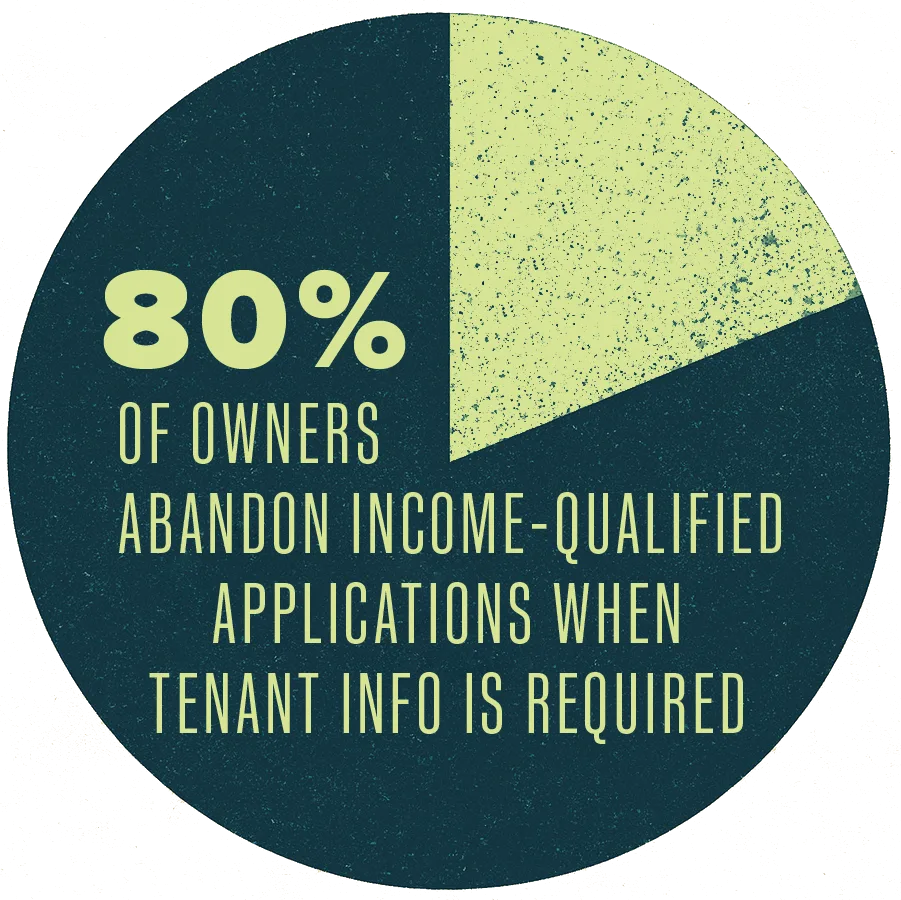
Finding: Many landlords were deterred by income verification requirements, reluctant to ask tenants for personal financial information or uncertain about their role in the process. Previous research also estimated that 80% of property owners did not complete applications for income-qualified programs because they were unable or unwilling to obtain the information needed from tenants.
Recommendations:
- Simplify the income verification process by leveraging existing qualification pathways, such as Green Zones, SNAP benefits, or other public assistance programs.
- Clarify landlord and tenant roles in program applications to reduce confusion and promote smooth participation.
- Introduce concierge-style service with a single point of contact to help landlords navigate and complete the application process.
Impact and Next Steps
As a result of these findings, CenterPoint Energy is:
- Streamlining program marketing and creating dedicated resources to improve clarity and accessibility for landlords and renters.
- Developing targeted incentives that align with landlord priorities and reduce financial hesitations.
- Enhancing outreach strategies by partnering with local organizations and using multi-channel communication methods.
- Reducing application barriers by expanding income verification pathways and clarifying landlord and tenant roles.
By applying these insights, CenterPoint is improving access to energy efficiency opportunities, ensuring greater equity in program participation, and making a lasting impact on both renters and property owners.
The Takeaway
As the energy industry continues to evolve, utilities should continue to provide access to energy efficiency opportunities to all customers, including renters and landlords. CenterPoint Energy’s research highlights a potential gap in participation and provides a roadmap for promoting participation in energy efficiency programs. By addressing key barriers such as program awareness, financial incentives, and outreach strategies, utilities can create solutions that benefit both tenants and property owners while advancing broader energy goals.
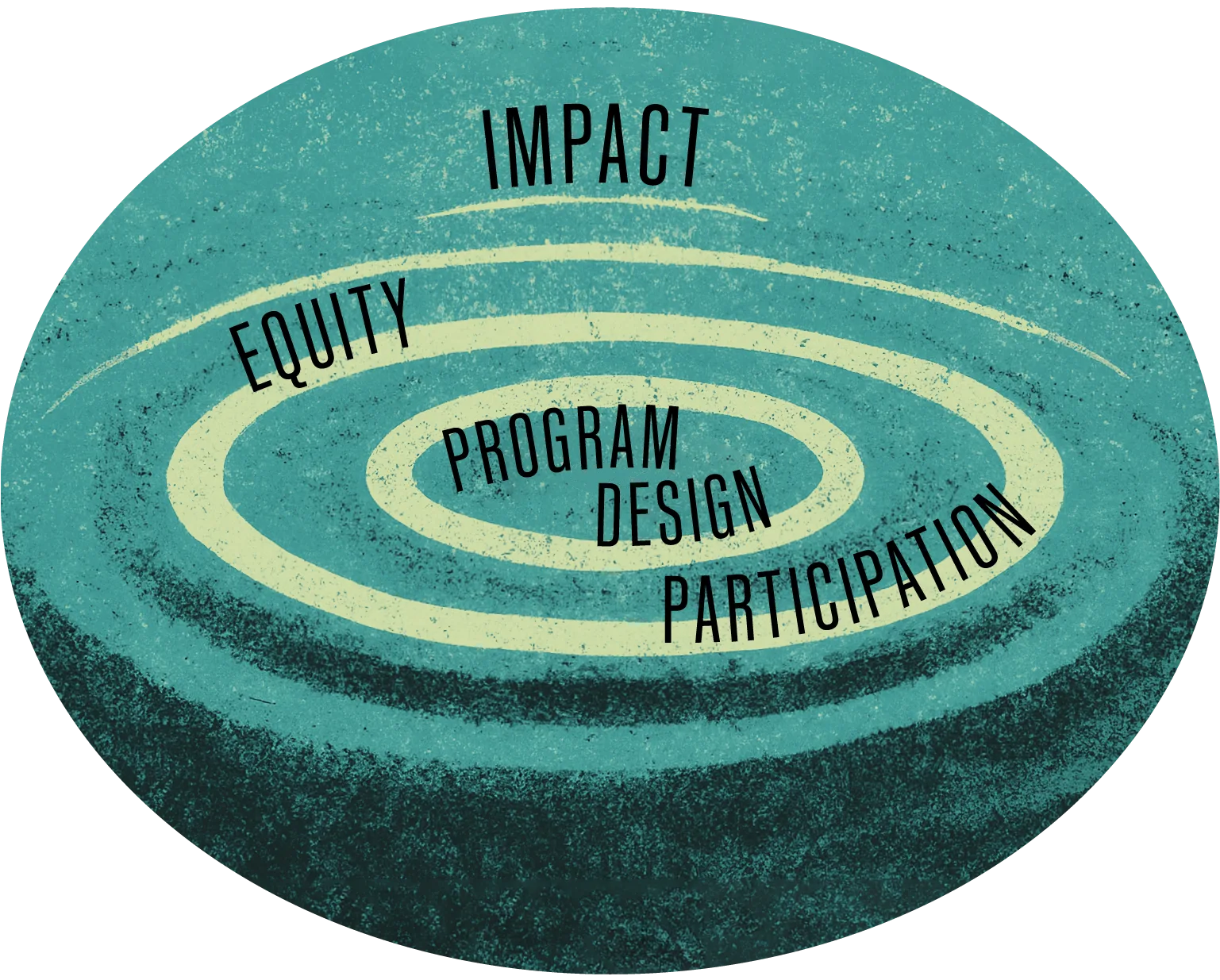
For other organizations facing similar challenges, this research offers a clear blueprint for action. Through data-driven insights, tailored marketing strategies, and customer-centered program design, utilities and energy providers can drive participation and create lasting energy savings. The lessons from CenterPoint’s approach can be applied nationwide, helping utilities expand their reach, better serve underserved customers, and contribute to a more efficient energy future.